SHAPE Asia Policy Lab: Addressing Food Marketing Challenges in Retail Settings
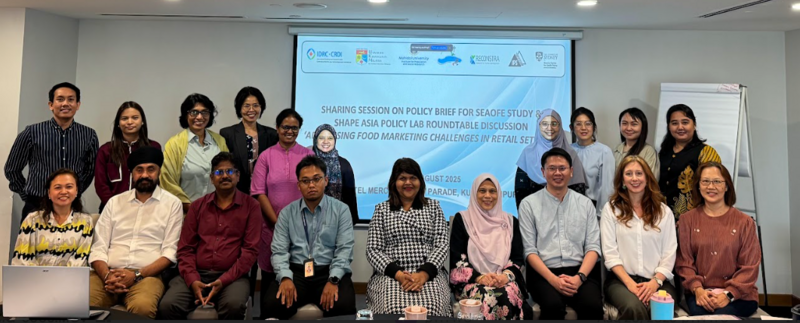
On 20 August 2025, SHAPE Asia convened a Policy Lab in Malaysia to examine the growing challenges of food marketing in retail settings. The event gathered policymakers, academics, civil society, and industry representatives to share insights and explore collaborative approaches to building healthier food environments across Asia.
Shaping the Retail Food Environment
The discussions were informed by findings from the South East Asia Obesogenic Food Environment (SEAOFE) Study in Malaysia, which underscored the influence of retail food marketing on consumer behaviour and diet patterns. Stakeholders reflected on the policy implications of these findings and the urgent need for coordinated action.
Key Themes from the Policy Lab
- Challenges in retail food marketing: persistent gaps in regulation, aggressive promotion of unhealthy products, and consumer demand shaped by marketing practices.
- Wider drivers: digital advertising, online food delivery platforms, and pricing strategies that reinforce unhealthy consumption patterns.
- Opportunities for collaboration: fostering multi-sector partnerships, empowering consumers, and aligning commercial incentives with public health priorities.
- Moving forward: stakeholders called for stronger advocacy, coherent policy frameworks, and regional knowledge sharing to accelerate change.
Insights from Malaysia
Participants also reflected on lessons from Malaysia’s SEAOFE study, which highlighted both ongoing initiatives and persistent barriers. While universities, retailers, and government agencies are implementing health promotion measures—from nutrition labelling to wellness programmes—efforts remain fragmented.
Barriers identified include the higher cost of healthy foods, limited regulation of food influencers and advertising, and the strong influence of digital food delivery platforms. Stakeholders agreed that clearer policy guidance and stronger collaboration are essential to scale impact.
Looking Ahead
The Policy Lab concluded with a strong call for regional collaboration through SHAPE Asia. By bridging governments, academia, civil society, and industry, SHAPE Asia will continue advancing a shared agenda to make food environments across Asia healthier, more equitable, and more sustainable.